

ARTICLE
Solid Surface: Designed to Last
The best material choice isn't the one that looks perfect on opening day. It's the one that continues to perform long after the space is in use.
For architecture and design professionals, that means thinking beyond installation day. A surface may look beautiful when a project opens, but over the years it will encounter the realities of everyday life: scratches, spills, impacts, heavy traffic, and constant cleaning. With Wilsonart® Solid Surface, designing for longevity means selecting a material that can withstand those demands — and maintain its appearance when wear eventually takes its toll.
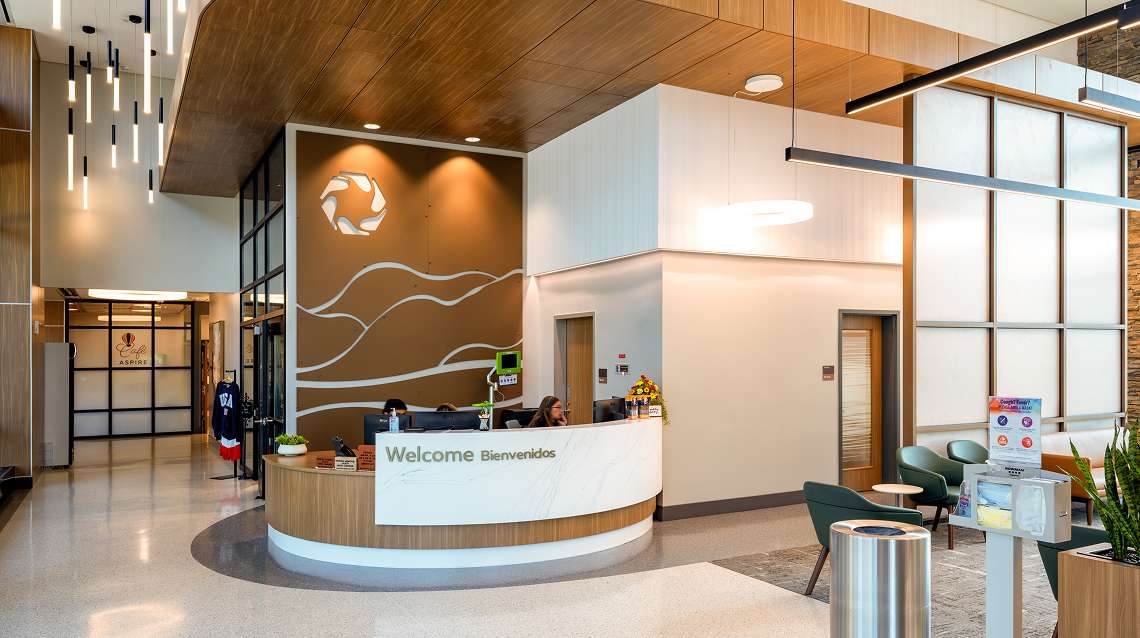
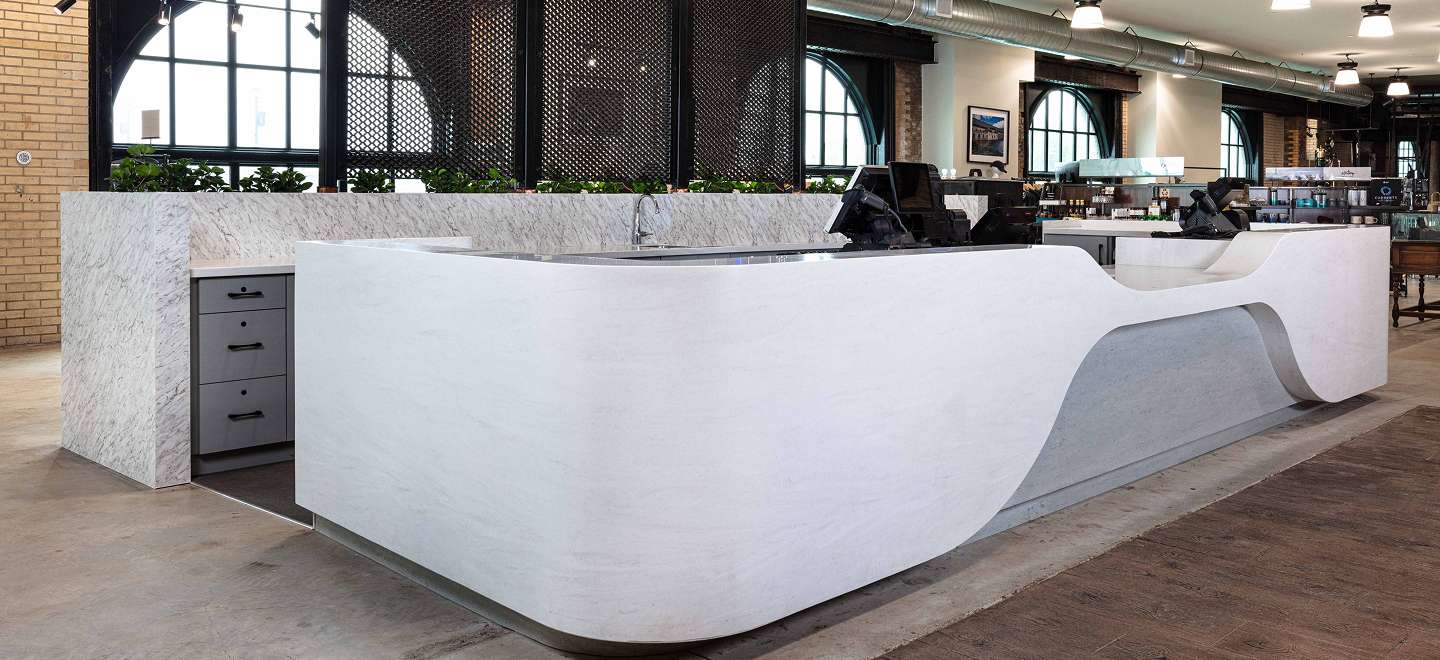
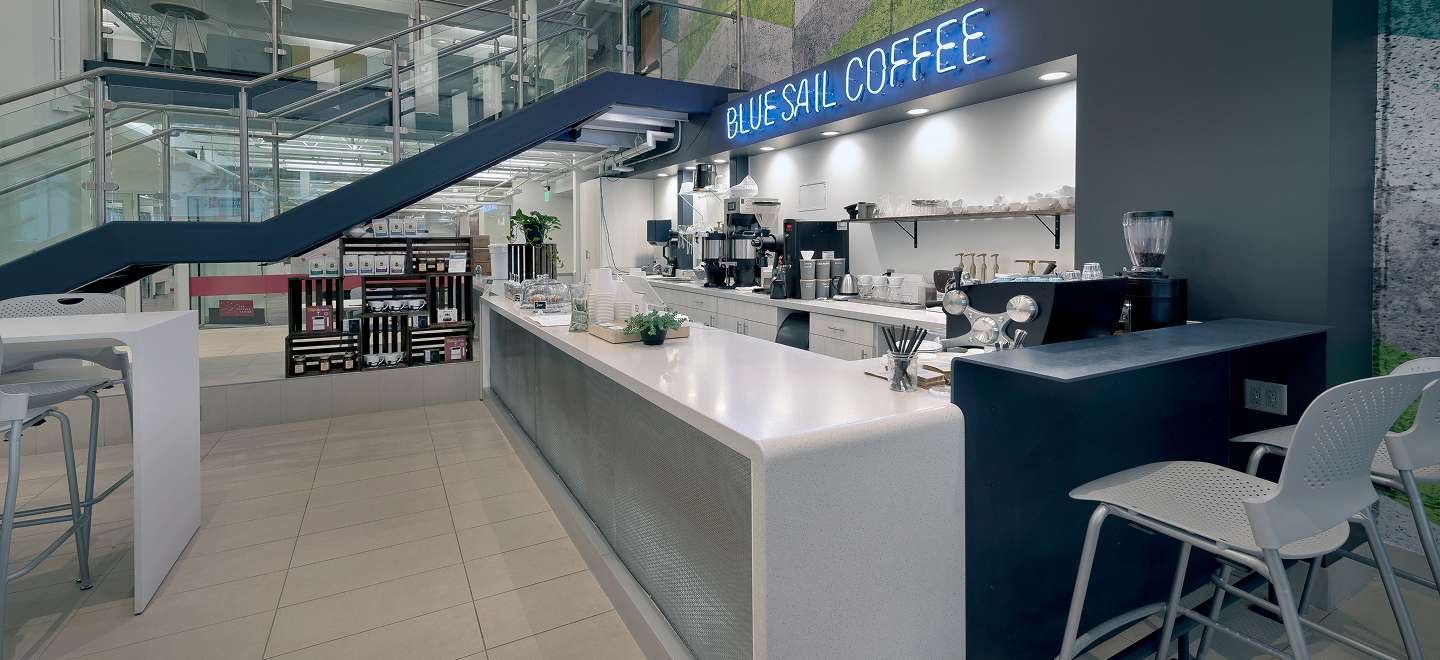
Featured Design: Solid Surface: Ice Statuario
That's where material lifecycle becomes an important part of the specification conversation. A surface that can withstand everyday use has an obvious advantage. But a material that can also be repaired and renewed when damage occurs offers another way to extend the life of the installation. Rather than viewing wear as the point at which a surface needs to be replaced, designers can consider materials that are built to withstand use and can be restored when needed.
Solid Surface brings both ideas together. Its durability helps it stand up to the demands of everyday environments, while its repairability means damage doesn't necessarily require tearing out and replacing the installation. For project teams, that can change how they think about the life of a material, from initial specification through years of use.
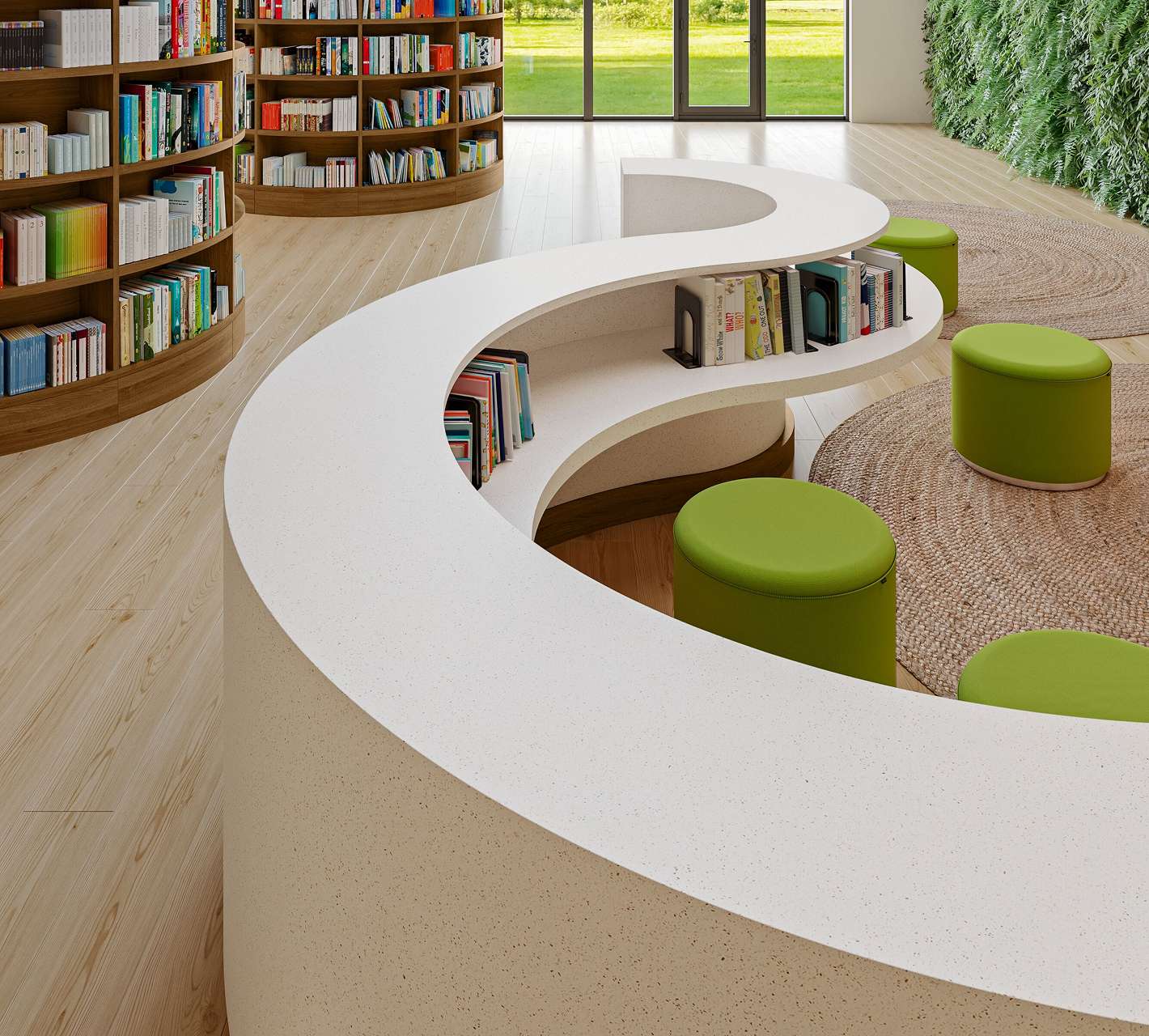
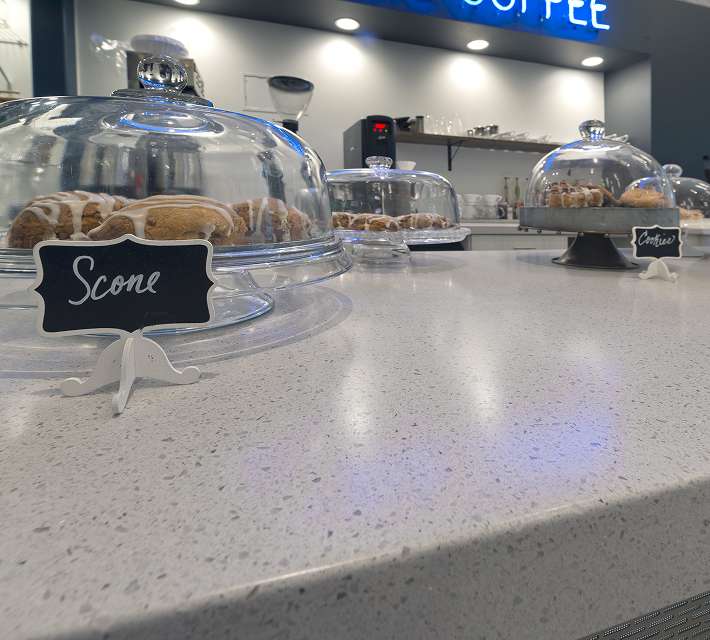
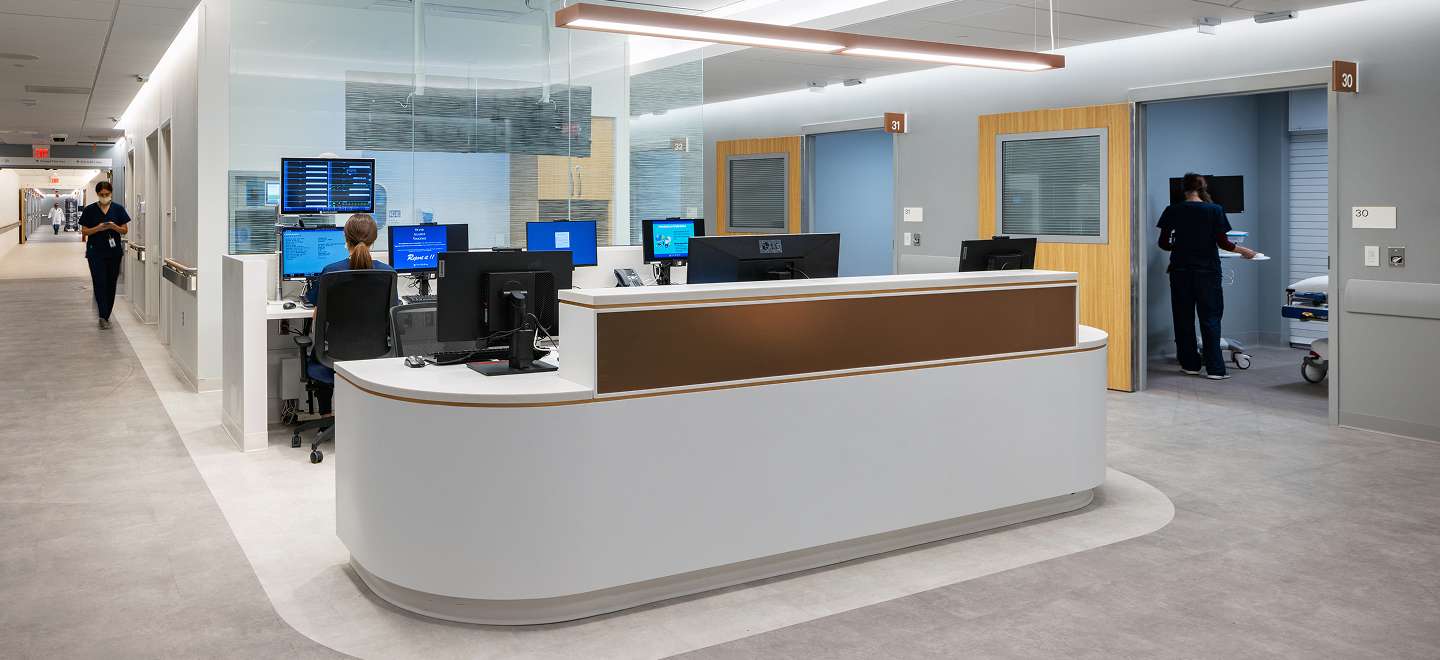
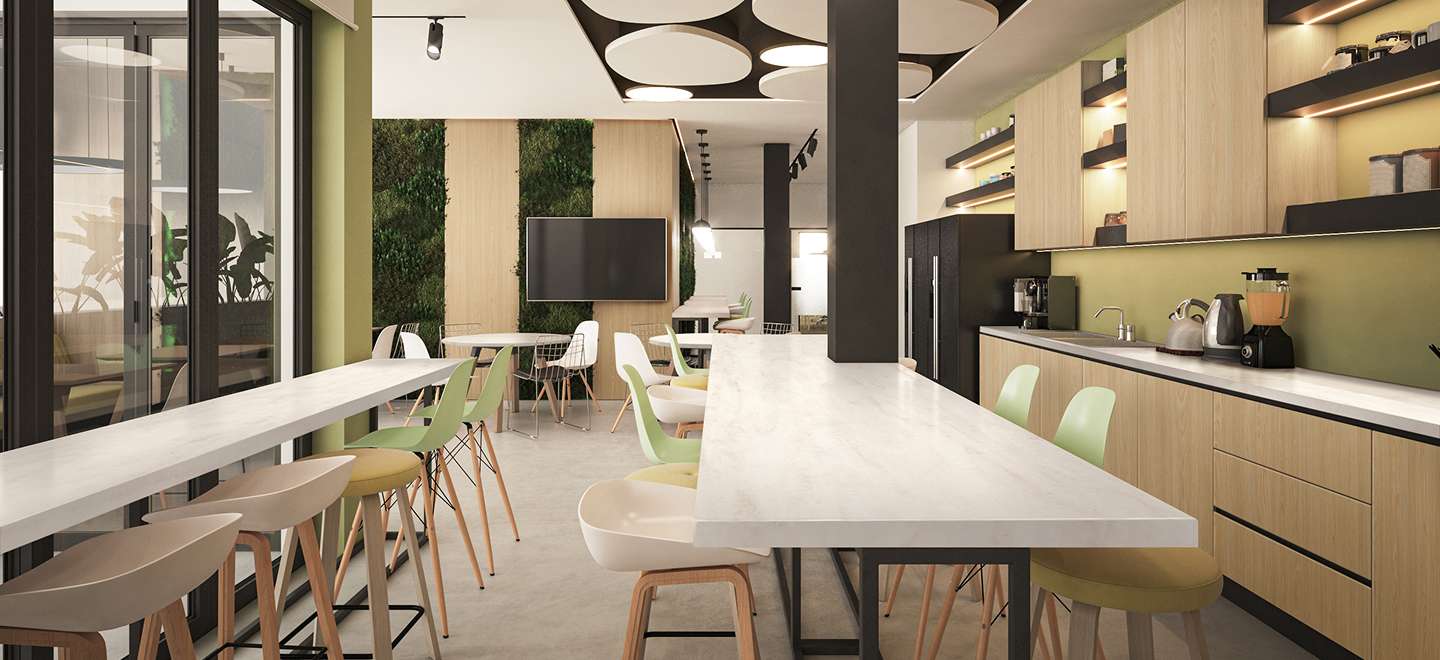
Featured Designs: Solid Surface: Avalanche Melange, Dusk Ice
Design for What Comes Next
Every environment experiences wear. A reception desk gets scuffed. A countertop takes an impact. A high-traffic surface shows the effects of years of use. Eventually, even well-performing materials can show signs of life. With Solid Surface, those imperfections don't necessarily mean starting over. A Certified Wilsonart Fabricator can repair and renew the surface, restoring its appearance without tearing out and replacing the entire installation.
That changes the way designers and project teams can think about specification. Instead of treating damage as the end of a material's useful life, they can consider whether the surface can be renewed and continue serving the space.
In an occupied healthcare facility, workplace, or hospitality environment, that can mean avoiding the disruption that comes with tear-out and reinstallation. It can also help teams avoid the material and labor associated with replacing an otherwise functional installation.
Most importantly, repairability can help preserve the original design intent. The surface selected for its color, shape, texture, or seamless appearance doesn't have to be discarded simply because it has experienced years of use.
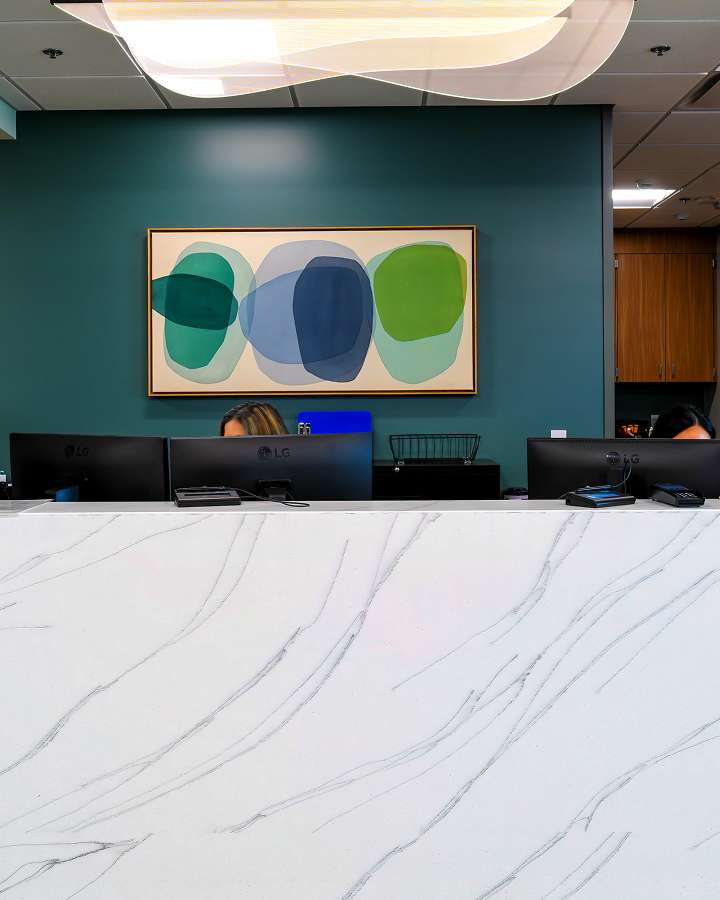
Featured Design: Solid Surface: Ice Statuario
Performance Where It Matters
Repairability is only part of the story. Solid Surface is also non-porous and stain-resistant, making it well suited to spaces where surfaces need to withstand everyday use while remaining easy to clean and maintain.
Consider where those characteristics matter:
- Healthcare: nurse stations, reception desks, countertops, wall protection, and integrated sinks can benefit from non-porous, easy-to-clean surfaces designed for demanding environments.
- Education: student commons, cafeteria areas, reception areas, and restroom vanities need to stand up to daily use while maintaining a cohesive design.
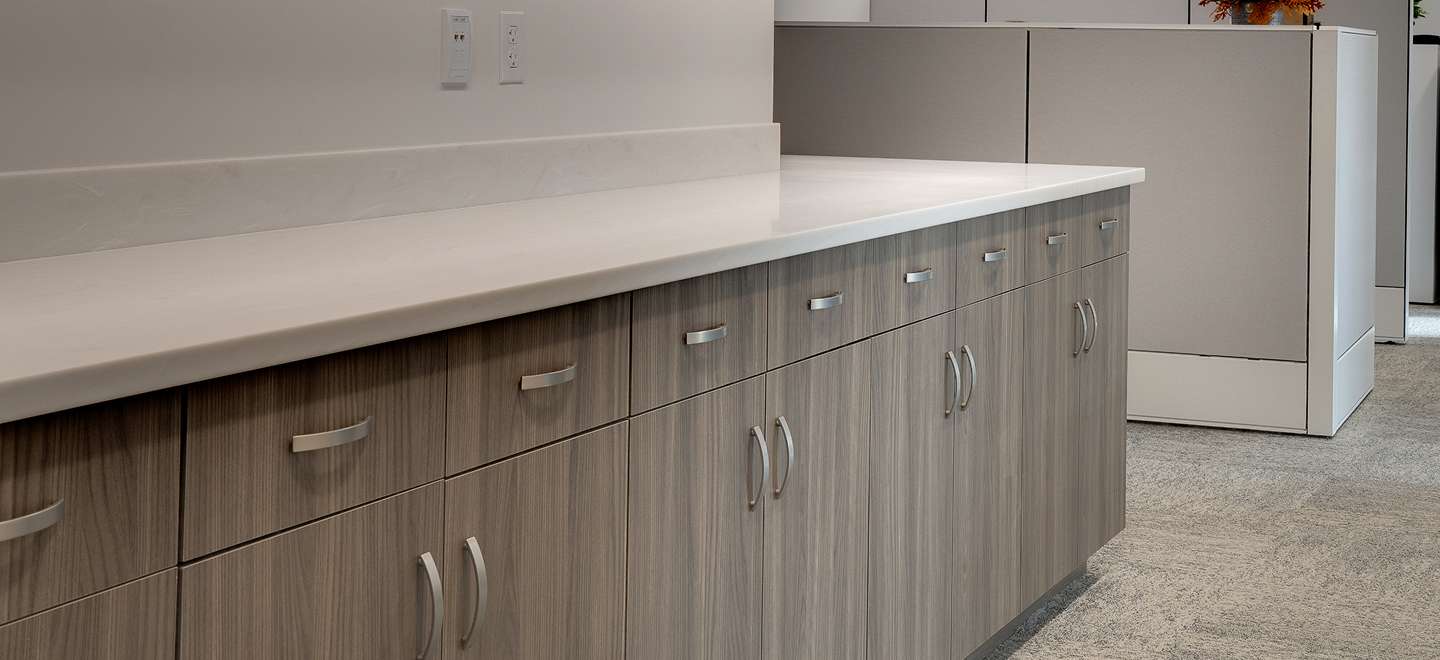
- Workplace: reception areas, cafés, collaborative tables and work surfaces can combine a refined appearance with the performance needed for everyday activity.
- Hospitality: front desks, vanities, bars, and other high-touch surfaces need to look polished while handling constant interaction.
- Retail: checkout counters, merchandising surfaces, and customer-facing fixtures have to make a strong visual impression while standing up to frequent use.
These are very different environments, but they share a common challenge: designing spaces that need to look intentional while performing under real-world conditions. That makes performance more than a technical specification. It becomes part of the design strategy from the beginning.
A Material That Can Evolve With the Space
Solid Surface can also be fabricated on site and shaped to accommodate complex project geometries, helping create seamless applications with minimal visible joints. That design flexibility gives architects and designers more freedom to consider how a surface looks, functions, and connects with the surrounding space.
Combined with its non-porous surface, stain resistance, and repairability, that flexibility gives Solid Surface a unique long-term proposition: a material that can support the original design while adapting to the realities of a space rather than simply being replaced when those realities take their toll.
For project teams, that can mean thinking beyond initial aesthetics and cost to consider the full life of the installation. How will the surface perform? How will it be maintained? What happens when it gets damaged? And can it be renewed instead of removed? These questions can change the way materials are evaluated and specified.
The result is a material that can be considered not just for the day a project opens, but for the years of use that follow, and for what happens when the space inevitably begins to show the effects of that use.
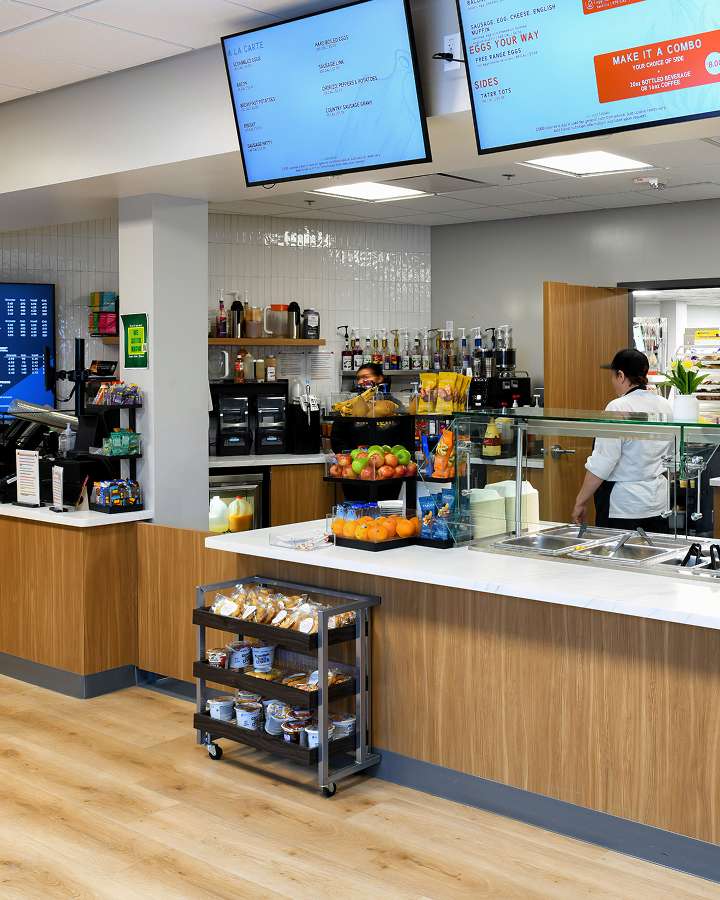
Featured Design: Solid Surface: Ice Statuario
To read more articles, visit our Inspiration page.
WILSONART EMAIL NEWSLETTER
Stay Connected.
Sign up to get interesting news and updates about new products, tools, and inspiration delivered right to your inbox.

Validate your login
Sign In
Register